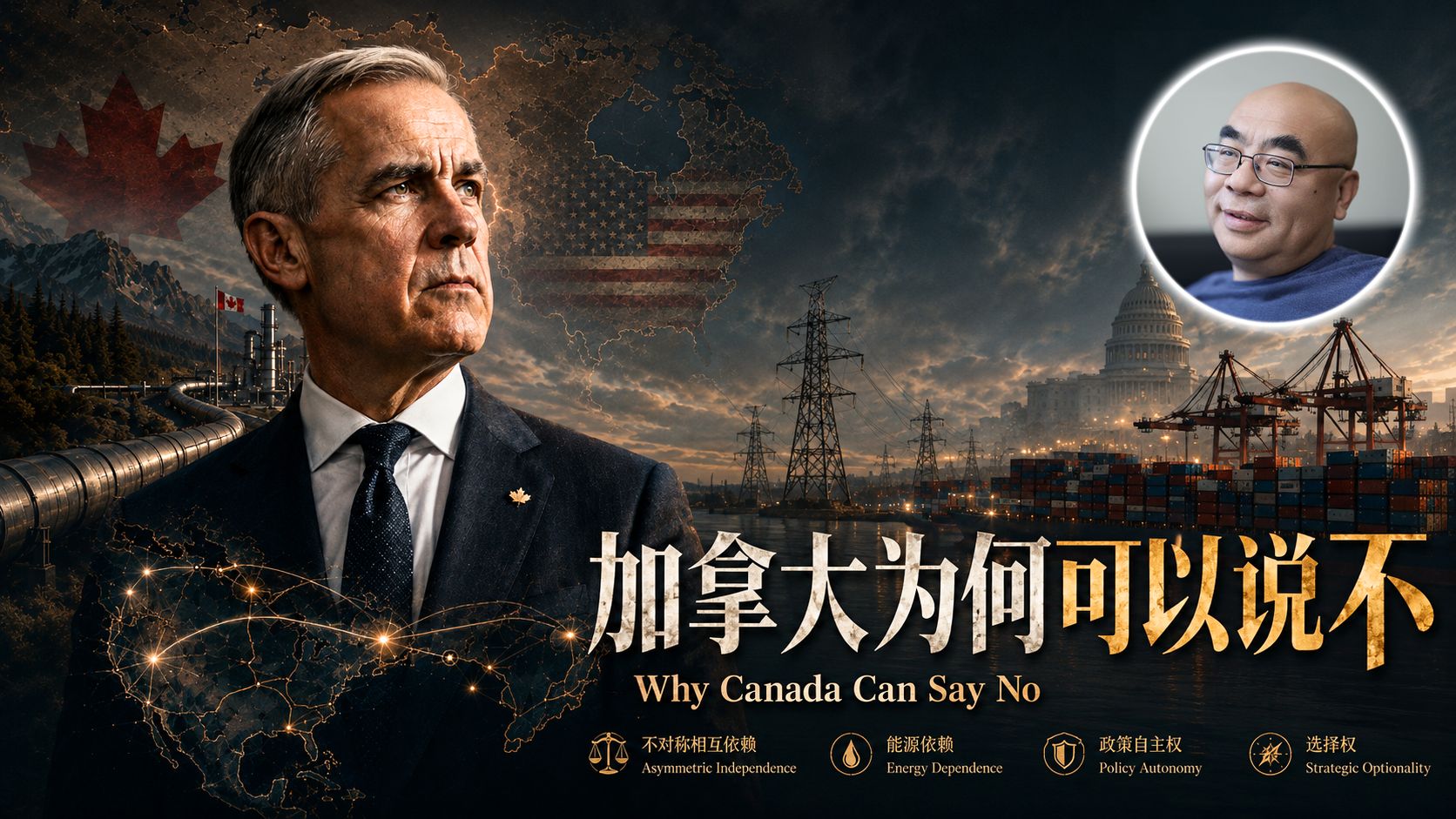

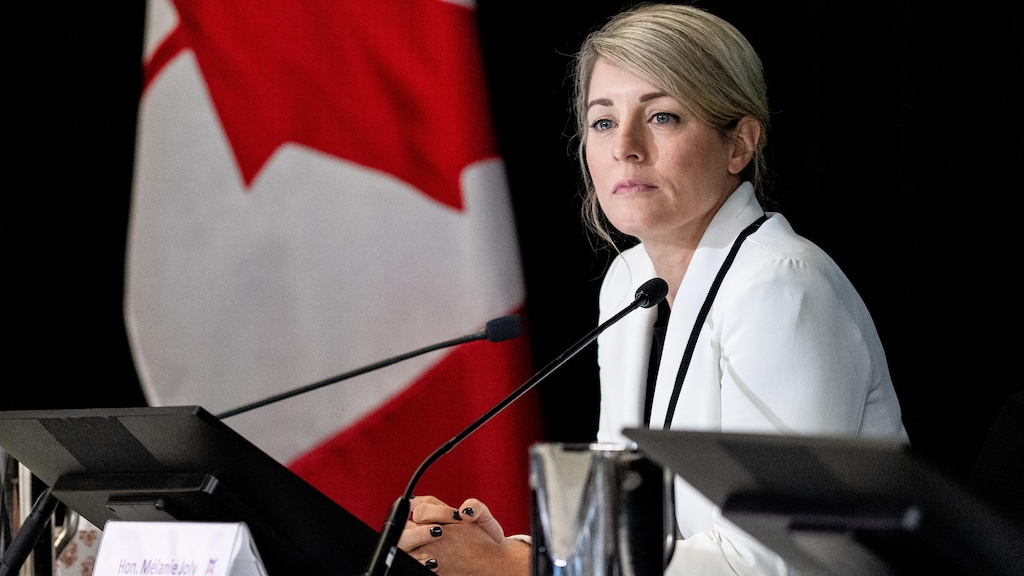







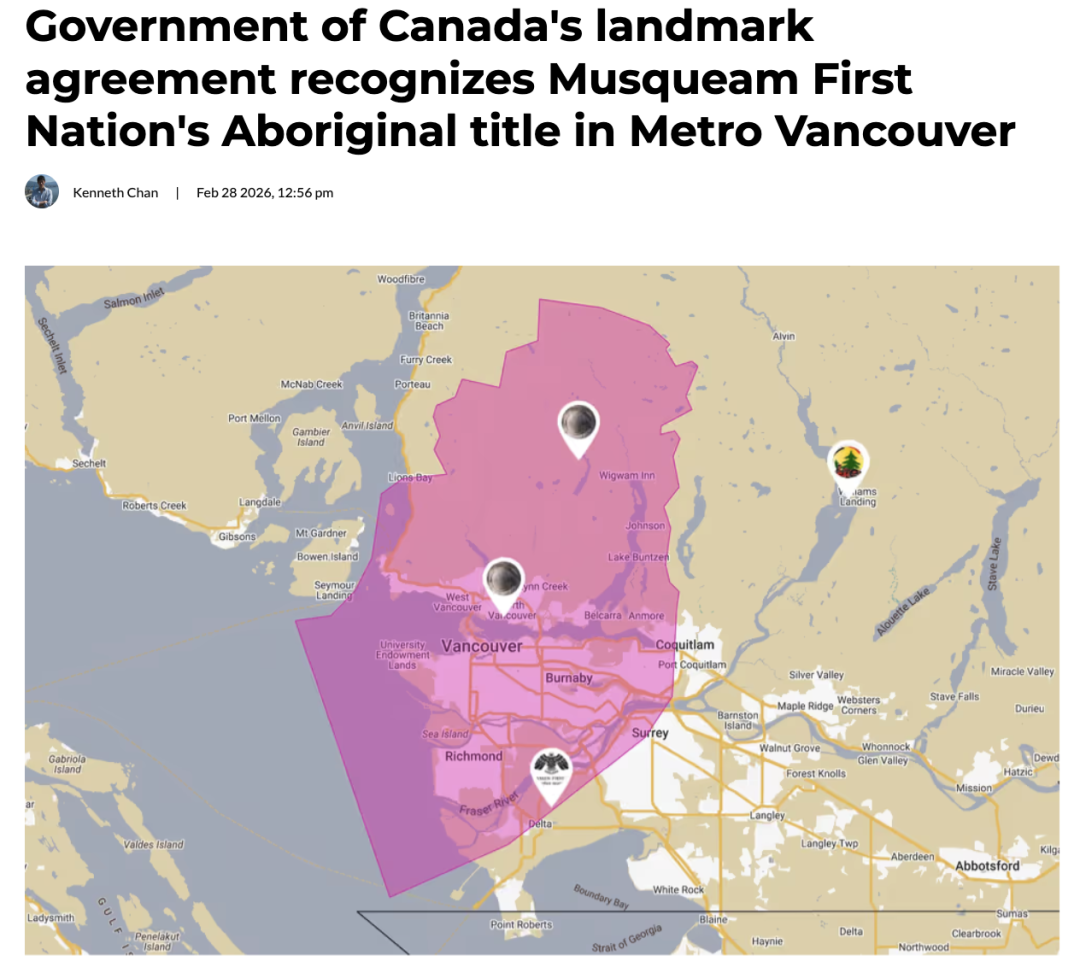











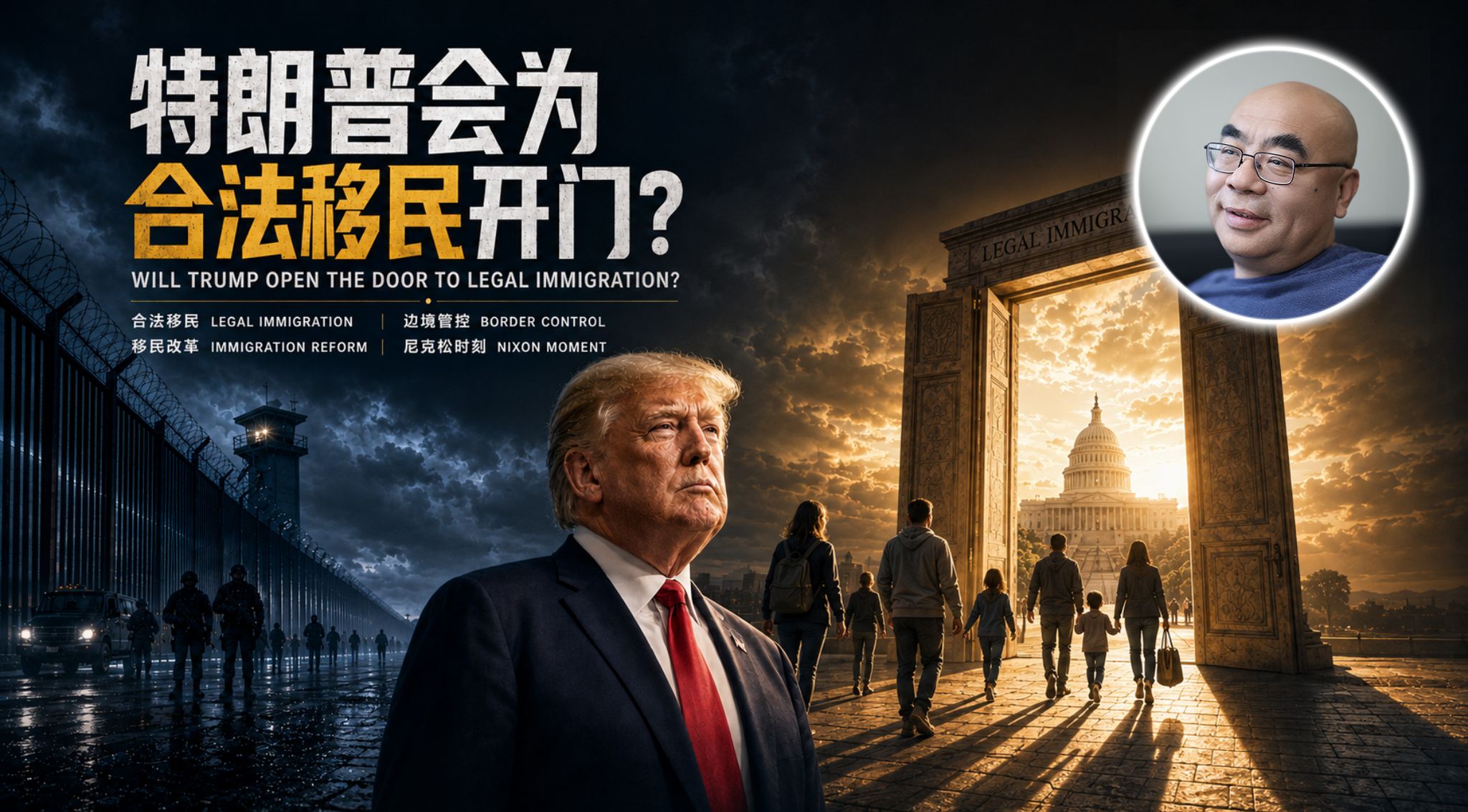






卡尼为什么敢对美国说“不”?本期从能源、供应链、主权争议和非美市场入手,解释“不对称相互依赖”如何给加拿大带来有限的拒绝空间,以及加拿大为何还需降低说“不”的代价。
After Canada–U.S. negotiations broke down, why could Mark Carney still say “no” to Washington? This video examines energy, integrated supply chains, sovereignty disputes and non-U.S. markets to explain Canada’s limited room to resist—and why it must make that resistance less costly.
1)加拿大明明比美国弱得多,手中究竟有哪些谈判筹码?
Canada is far weaker than the United States, so what bargaining leverage does it actually have?
2)能源和供应链深度绑定,能否真正限制美国对加拿大施压?
Can deeply integrated energy and supply chains really constrain U.S. pressure on Canada?
3)为什么关税谈判最后变成了文化政策、贸易选择和国家主权问题?
Why did a tariff negotiation ultimately become an issue of cultural policy, trade choices and national sovereignty?
4)您认为加拿大应该承受多大的短期代价,来换取未来更多的选择?
How much short-term pain should Canada accept in exchange for greater freedom of choice in the future?
时间线|Chapters
00:00 加拿大为何可以对美国说不|Why Canada Can Say No
00:52 能源牌与不对称相互依赖|Energy and Asymmetric Interdependence
02:46 关税谈判为何变成主权问题|When Tariffs Become a Sovereignty Issue
04:06 北美供应链带来的拒绝空间|How Supply Chains Give Canada Leverage
05:10 加拿大寻找美国之外的市场|Canada Looks Beyond the U.S. Market
06:38 从“一次说不”到降低拒绝成本|From Saying No Once to Making It Less Costly
关键词|Hashtags
#加拿大 #卡尼 #特朗普 #加美关系 #美国关税 #加拿大经济 #能源安全 #MarkCarney #TrumpTariffs #CanadaUSTrade