

















有一个中文说法,精准地概括了一种常见的政治幻象,即国进民退。国家看似不断强化,而普通民众的生活却在不断萎缩。国家显得更强大、更高调、更雄心勃勃,但同时普通人却感到生活愈发昂贵,不安和倒退。
There is a Chinese phrase that captures a familiar political illusion: 国进民退 — the state advances while the people retreat. The country appears stronger, louder, more ambitious. Yet ordinary lives grow more precarious, more expensive, more fragile.
长期以来,美国人一直认为这种现象是威权体制的病灶,而不可能发生在民主社会中。然而在唐纳德·特朗普治下的美国,这种令人不安现象却逐渐明显。
For a long time, Americans believed this was a pathology of authoritarian systems, not democracies. But under Donald Trump, the United States is beginning to look uncomfortably similar.
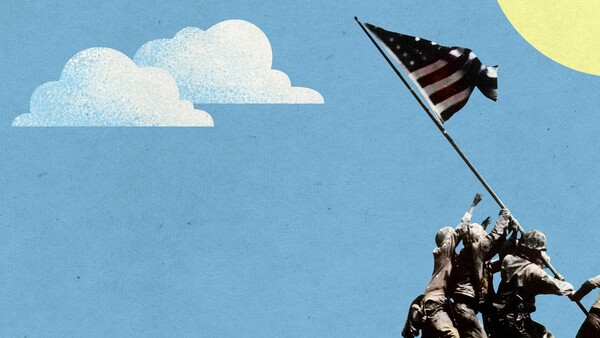
今天的美国的行为举止愈发向帝国靠近,但普通家庭所感受到的,却是不断下滑的经济现实。
America today talks like an empire — but feels like a declining household economy.
在国际舞台上,美国毫不掩饰地挥舞着权力的指挥棒,频频以胁迫手段示人,甚至不时流露出吞并他国的野心。它将盟友视为附庸,把整个西半球当作可以分配的势力范围。在这种世界观中,强势不再需要被分享或加以合法化,而只是被不断展示、反复施展;在这种逻辑下,权力可以在几乎毫无约束与制衡的情况下被施展,被滥用。
On the world stage, the language of power is unmistakable. Trump boasts openly of coercion, flirts with annexation fantasies, treats allies as dependents, and speaks of hemispheres as if they were spoils. Strength, in this worldview, is not something to be shared or legitimized but asserted and demonstrated. Power is its own justification.
而在美国境内则完全是另一番场景。
At home, however, the story is starkly different.
根据《纽约时报》与锡耶纳学院(Siena College)最近联合进行的一项民调,近一半的登记选民认为,与一年前相比,美国如今的状况更糟。只有 32% 的受访者认为状况有所改善。多数人51%受访者表示生活愈发难以负担,而 64% 的受访者认为在普通民众生活支出问题上,特朗普政策失误。而在政党独立的选民中,不满情绪尤为明显,超过四成的人认为特朗普正走在在美国历史上最失败总统的道路上迈进。这种国进民退之落差,在医疗保健领域表现得尤为突出。接受《纽约时报》采访的美国民众普遍表示,自去年12月以来,他们的医疗支出大幅飙升。
According to a recent New York Times/Siena College poll, nearly half of registered voters say the country is worse off than it was a year ago. Only 32 per cent believe things have improved. A majority — 51 per cent — say life has become less affordable, while 64 per cent believe Trump has mismanaged the cost of living. Among independent voters, dissatisfaction is particularly sharp, with more than four in ten now saying Trump is on track to be among the worst presidents in American history. Nowhere is this divergence more visible than in health care. Americans interviewed by Times say their healthcare cost soared since Dec.
这些数字揭示了美国国家力量与普通民众切身感受之间正在不断扩大的裂痕。特朗普在第二次竞选中大谈要恢复“生活可负担性”,降低食品价格、压低药品费用、重建家庭经济信心。然而执政一年后,通胀与生活成本压力依然是选民最头痛事宜,其受关切程度甚至超过了移民与外交政策。所谓国家强势的表演,最终并未转化为现实中的经济纾困。
These numbers matter because they expose a widening gap between national rhetoric and lived reality. Trump won his second term promising to restore affordability — cheaper groceries, lower drug prices, rising household confidence. One year in, inflation and cost-of-living pressures remain the dominant concern for voters, eclipsing even immigration and foreign policy. The spectacle of strength has not translated into economic relief.