









编者按 本拿比学区作为BC省的领先学区,不仅在学生毕业率方面处于领先水平,而且其学区AP课程也在加拿大处于顶级位置。另外,本拿比学区也是卑诗省第一个从小学一年级和幼儿园始设立中文课的学区。本拿比学区在社区学校建设的建设上亦成绩斐然,其社区学校屡获国际大奖。凭借优秀的教育资源,让本拿比学区业已得到了华裔学生和家长的认可,有不少华裔学生从此实现了梦想,顺利考上了哈佛、麻省理工、普林斯顿等名校。于2014年被麻省理工学院录取的沈静同学,就是毕业于南本拿比中学的学生。她因热爱环保事业,在中学期间,即荣获2013年本拿比市“环保之星”和2014年加拿大地球日全国“家乡英雄”的殊荣。
她写的《可持续发展在本拿比》一文,非常值得家长和孩子们分享。从中,可以了解到一些沈静同学的个人成长历程,以及了解本拿比学区公校在为学生提供成长大舞台方面的建树。同时该文章也得到了本拿比两届学务委员、现任市议员王白进的特别推荐。
上8年级时,我很怯懦。但是,参加“青年环保运动”使我发生了改变。“青年环保运动”让我开始注意到学校社区里许多紧迫的环境问题。在为运动宣传的过程中,我找到了自己的自信。随着越来越多地参加环保活动,我从一个害羞的参与者成长为一个勇敢的推动者。我谦虚地面对本地的众多热心青年,和许多不同的人一起工作,也目睹了许多不同的领导风格。最后,我作为“本拿比青年可持续发展网络”(BYSN,Burnaby Youth Sustainability Network)的主席,自己领导了一个团队。从那里,我知道了一群富有使命感的年轻人能够做出惊人的事情。BYSN是由本拿比教育委员会支持,由学生主导的组织。
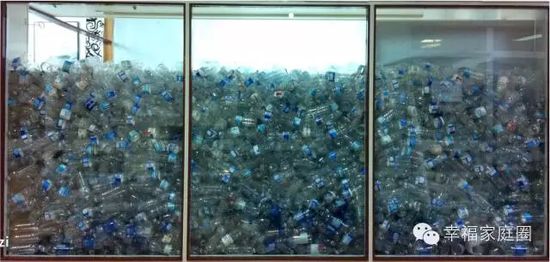
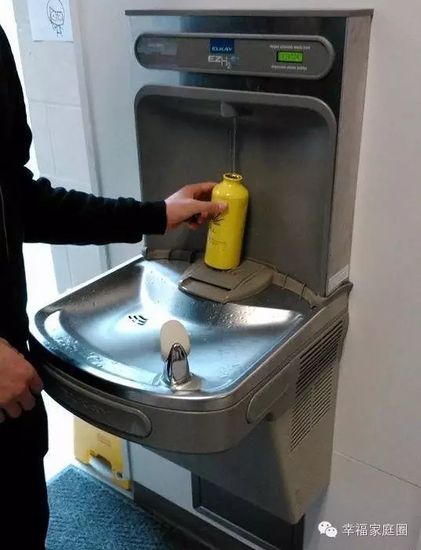
一切始于9年级时一次放学后的BYSN会议。我头次看到乘公交车往返参会的来自其他中学的学生,被他们的投入精神所打动。随后,听着他们反对瓶装水的令人信服的论点,我就迷上了这件事。我们一起成功地开展了一次反对瓶装水的行动,结果使本拿比所有的中学都安装了水瓶充水站。在整个地区,我们都在鼓励同学们用自己的水瓶充水,尽量减少塑料瓶垃圾。在一年半的时间内,在我们的努力下,少产生了100万个垃圾塑料瓶(根据充水站计数器的数字)。
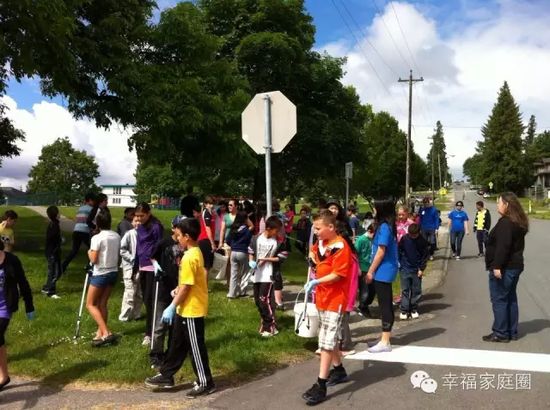
在一次BYSN会议上,我提议和小学生进行互动。经过一番讨论,我们一群人设计课程,给二年级学生讲了一堂关于蝴蝶生命周期的互动课。从此,BYSN又产生了小学延伸项目和辅导计划。我们教简单的课,在附近举办社区清洁活动。我们把小学辅导计划称做“绿色一代计划”,让年龄大的同学向年龄小的同学传递绿色责任的价值观,也可以在社区清洁活动中做义工。我还记得,看着小学生们专注地在路旁排水沟里拣出每一个废弃塑料袋的情景,我的心里感到非常温暖。
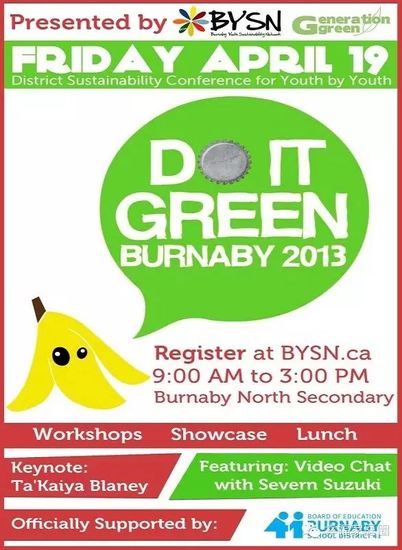
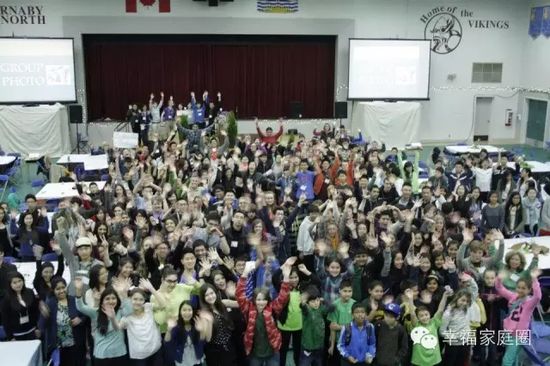
随着BYSN渐渐成长,我也渐渐参与得更多了。在11年级时,我接过了主席的重任。我和来自全市中学的代表一起,建立了第一只执行团队,筹备了一次名为“绿色行动”的年度可持续发展会议。那天,学生、教工和社区合作者们齐聚一堂,就存在的问题、当前计划和可提供资源等议题展开讨论。2011年和2012年,分别有150人和200人参加会议,而在2013年,参加会议的人数上升为500人。由于其所做的组织工作,BYSN和一些BYSN的成员受到了本拿比市政府的表彰。
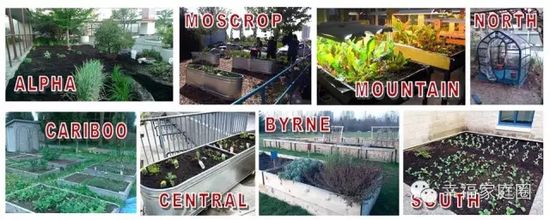
高中时,我和别人一起创建了一个菜园,将收获贡献给家政部门和全学校的早餐计划。利用2000元奖励资金,我们把堆放建筑垃圾的院子变成了菜地,种植芝麻菜和胡萝卜。帮助我们的老师以种植知识,我们绿色团队的成员以每天的辛勤劳动,使我们的菜园成为了学区的“旗舰菜园”。消息传出去后,2013年,温哥华信贷(Vancity)向BYSN提供了5595元资金,向我们的在区内每所中学都开垦一座菜园的目标提供资助。
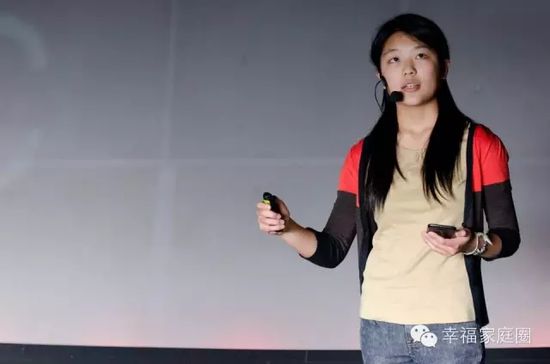
通过所有这些活动,我们减少了塑料瓶垃圾量,清理了各小学附近的垃圾,并本着合作的初衷和社区中的其他人交流了心得。BYSN网络,使我们能够完成人人都无法独自完成的任务。对于BYSN网络所具有的影响力,对于我们团体所能发出的声音,我心存感激,但我想让更多的人参与其中。从我个人来说,优先考虑的是减少垃圾,我想就此分享我的想法。2013年,通过TEDxKids@BC,我向400名听众演讲,希望他们参与自己社区团体的活动。我希望他们会吸引更多的人加入到“青年环保运动”中,因为“青年网络”是非常强大的变革的催化剂。
本拿比“青年网络”是一个非常好的支持系统,鼓励我发出声音,还做出了许多原本根本不敢奢望的事情。今天,“青年网络”仍然活跃在本拿比,有着有力的领导,深入到更多的中学活动。它就应如此。作为倡导者,我们需要保证的,不仅是要为可持续发展社会的目标而努力,也是我们的运动本身的可持续性。受任于使命的“网络”成员们一起,有力量保证未来世界的长久宜居。
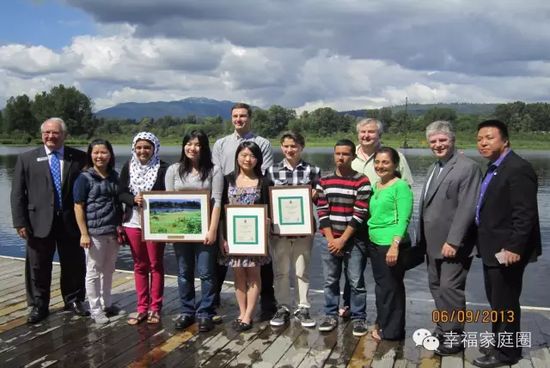
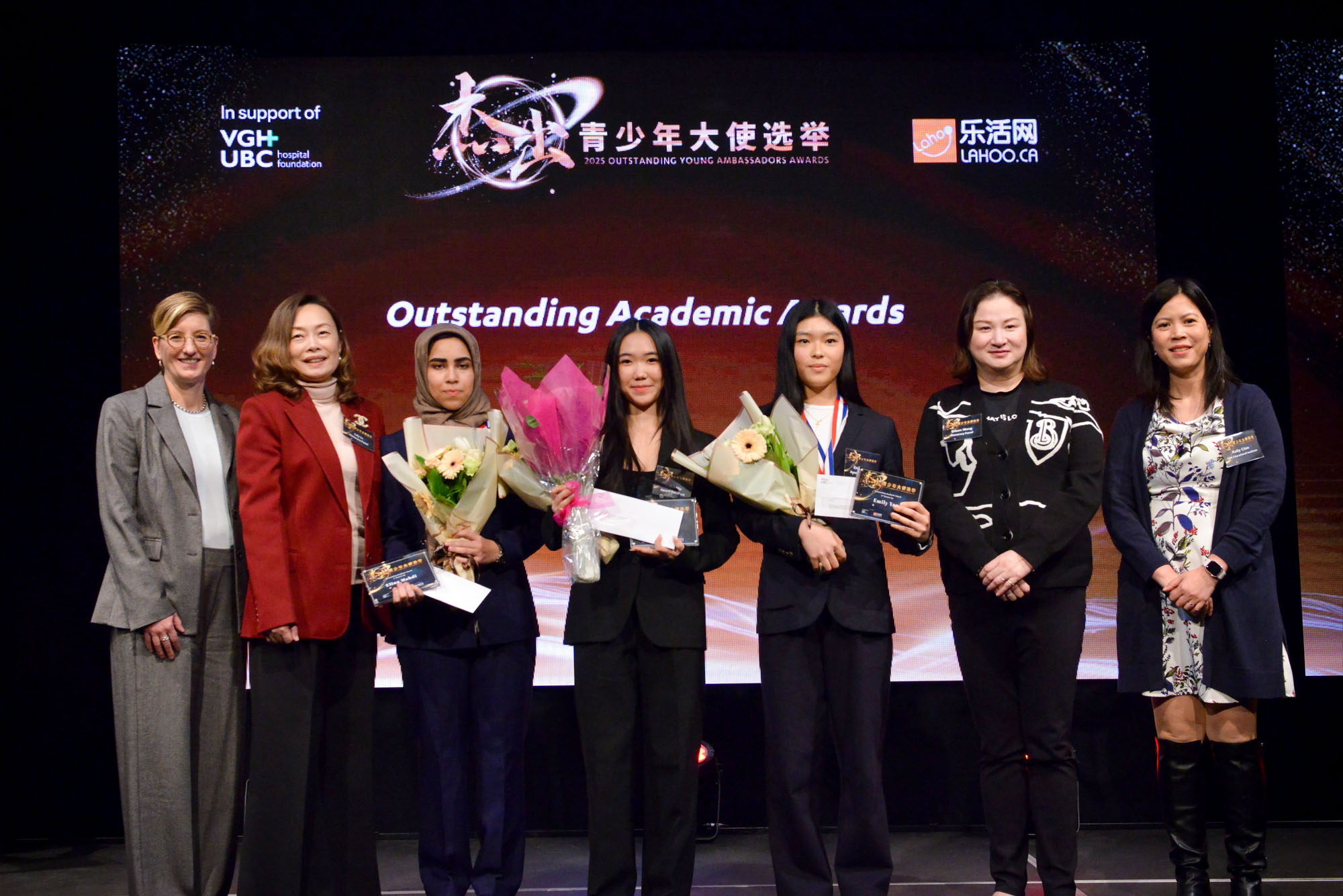
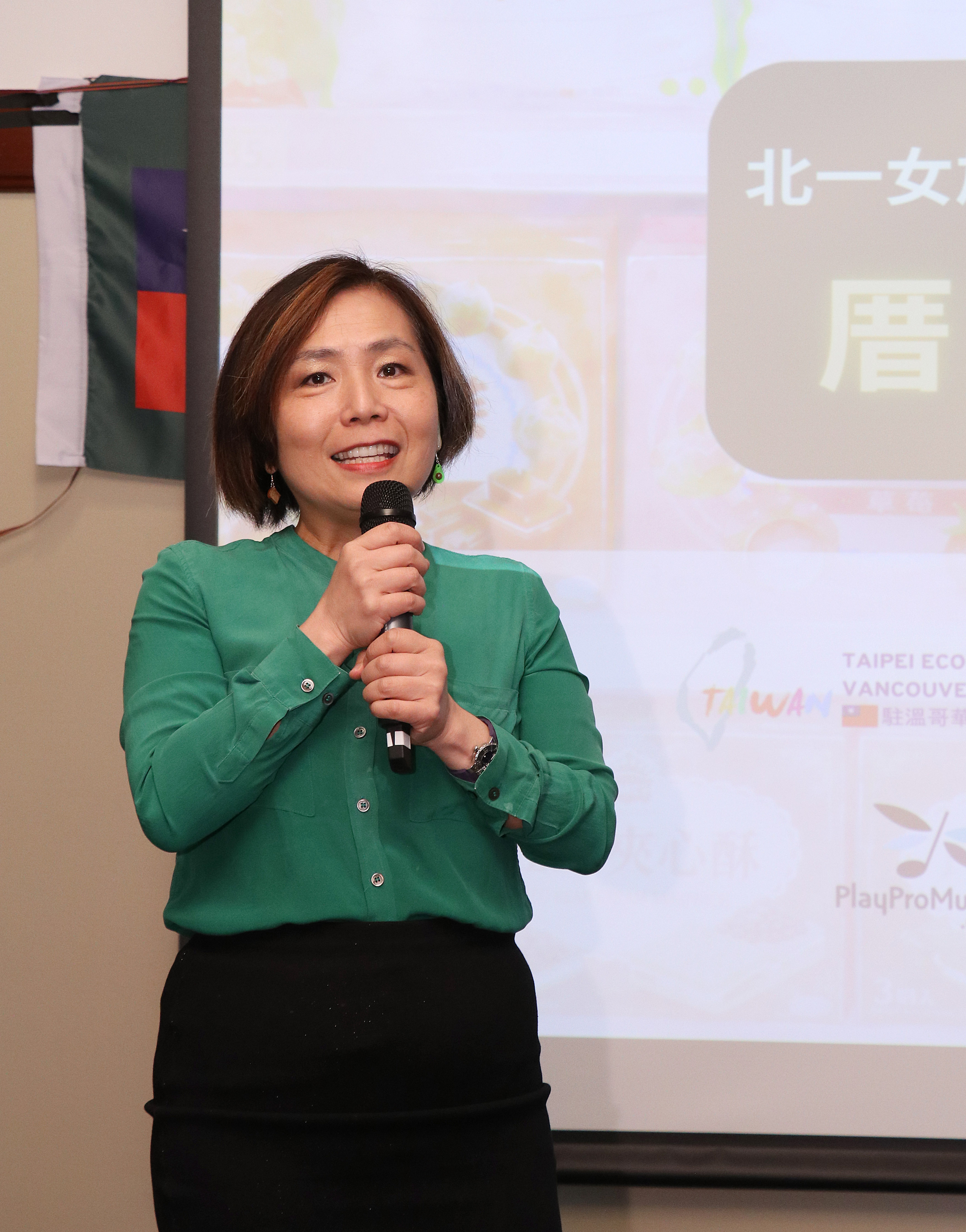
与现任市议员王白进(右一)合影
作者介绍:Jacqueline Shen (中文名:沈静),南本拿比中学Burnaby South Secondary毕业生,2014年入读麻省理工生物工程(她是2013、2014和2015三年中麻省理工学院在卑诗省唯一录取的学生)。热爱环保,曾荣获2013年“Burnaby市环保之星”和“2014年加拿大地球日全国家乡英雄 (Hometown Hero)”荣誉。
沈静这篇文章在参与幸福家庭圈征文比赛, 如果喜欢这篇文章, 支持青少年致力环保, 请链接到幸福家庭圈点赞。
附:英文全文
Sustainability in Burnaby
As an eighth grader, I was very timid. However, involvement in the youth environmental movement changed that. For me, it brought into focus many of the pressing environmental issues in the school community, and through advocacy I found a more confident voice. As I became increasingly more involved in environmental initiatives, I grew from a shy participant into a trusting facilitator. I was humbled to meet many passionate youth from across the region, and as I worked together with many different people, I witnessed many different leadership styles. Eventually, I led a team myself, as chair of the Burnaby Youth Sustainability Network. From there, I learned that a group of empowered youth can accomplish amazing things.
It all started in grade nine, one day after school, when I went to a meeting for the Burnaby Youth Sustainability Network (BYSN), a student-led organization supported by the school board. It was the first time I had seen students from other high schools commute to arrive for a meeting, and I was struck by their dedication. Then I heard their convincing arguments against bottled water, and I was hooked. Together, we successfully executed a campaign against bottled water, resulting in the installation of water bottle refill stations in every high school in Burnaby. All throughout the district, we encouraged our peers to refill their own water bottles in an effort to keep plastic bottles out of the landfill. Within a year and a half, we had diverted 1,000,000 water bottles from the landfill (according to the counter on the water bottle refill stations).
At one BYSN meeting, I proposed to connect with elementary students. After some discussion, a group of us designed and taught an interactive lesson on butterfly lifecycles to a grade two class, and thus BYSN’s elementary outreach and mentorship program was born. We taught simple lessons and hosted community clean-ups in the neighborhood. Called Generation Green, the program gave older students the experience of personally passing on the value of stewardship as well as the opportunity to volunteer for community clean-ups. I remember how heartwarming it was to see how dedicated the kids were about getting every last plastic bag out of the gutters along the road.
The network grew, and I continued to get more involved. In grade eleven, I took over the reins as BYSN chair. I established the first executive team with representatives from all the high schools in the city, and with this connected team, we planned an annual sustainability conference called “Do it Green”. On the day of, students, staff and community partners gathered for conversation around issues, current projects, and resources they had to offer. In 2013, 500 people participated in the conference, up from 200 the previous year and 150 the year before. For all this organizational work, the network and a couple of its members received recognition from the City of Burnaby.
At my own high school, I co-founded a vegetable garden which contributes its harvest to the home economics department and the school-wide breakfast program. With $2000 in grant money, we turned the courtyards of post-construction rubble into plots of arugula and carrots. The expertise of our sponsor teacher and the daily hard work of our green team members allowed our garden to become a flagship garden in the school district. Word got out, and in 2013, BYSN received $5595 from Vancity Credit Union to fund our district goal of having a garden in every high school.
Through all these initiatives, we reduced the amount of plastic bottle waste, cleaned up waste around elementary school neighborhoods, and exchanged stories with others in the community in hopes of future collaboration. The student network had allowed us to accomplish what none of us could have done alone. I was thankful for the reach we had as a network and the voice we had as a group, but I wanted to involve even more people. Waste reduction was one of my personal priorities, and I wanted to share my thoughts on it. In 2013, I gave a talk through TEDxKids@BC to an audience of 400, in the hopes that those 400 would continue the conversation by getting involved in their own community groups. I hoped that they would draw more people into the movement, because networks are very powerful catalysts for change.
The youth network that exists in Burnaby is an amazing support system that encouraged me to develop a voice and accomplish many things I never would have imagined doing alone. And that network is still active today, under strong leadership, reaching out to more high school students. And that’s the way it should be. As advocators, we need to make sure that we are not only fighting for a sustainable community, but also that our movement is sustainable. And together, as a network of empowered individuals, we have the power to ensure that the future is livable for a very long time.
本文发布于: 2015-12-2 09:25