



































What should you do when confronted by the police?
Oftentimes a person panics when confronted by the police and says something which might be self-incriminating.
It is important to know that the police have to follow a set of rules when they engage a citizen, and that a citizen has rights not even the police can violate. In addition, evidence obtained by the police can be thrown out if such evidence was obtained against your right. In some extreme cases, the entire case against you might be thrown out if such evidence was illegally obtained.
When confronted by a policeman, be polite and courteous to the policeman, if for no other reasons than the fact that he/she might cut you some slack in case you just had a traffic infraction (see further explanation below). Do not get angry at him, and under no circumstances should you ever threaten a policeman. If a policeman thinks that you are a threat, he has the right to subdue you.
Below are suggestions by our guest lawyer on how to engage the police under specific circumstances.
How to interact with a policeman when pulled over while driving
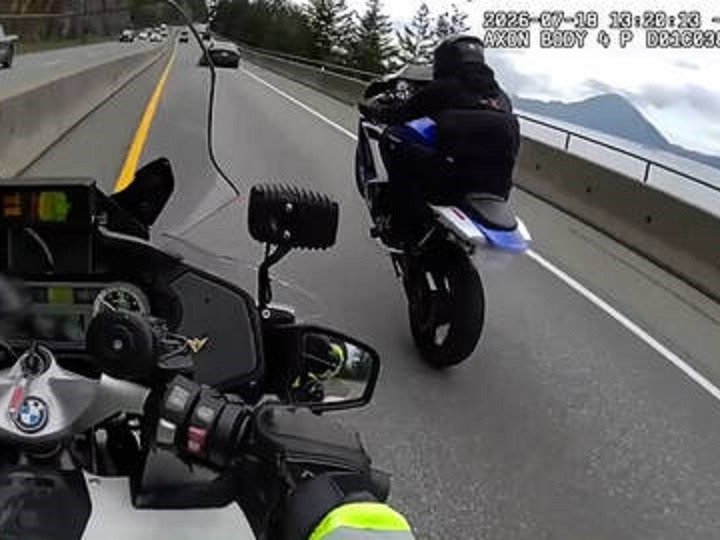
Stay in the car and wait for him/her to approach. Do not get out of the car without being first asked to do so.
He has the right to ask for your IDs, insurance papers and ask other relevant questions which you cannot refuse to answer.
Traffic violations – a policeman does not have to issue you a ticket even if he thinks you had committed a traffic violation; he could choose to give you a warning instead. That is a good reason not to lose your temper in the likelihood that he might decide to let you off the hook with only a verbal warning.
Breathalyzer tests – if a policeman asks you whether you had any alcohol to drink and you answer yes, then that gives him the right to put you through a breathalyzer test right away. If you say no, he can put you through such this test only if he has other reasons to justify the request (e.g. erratic driving behavior, your red eyes, or the smell of alcohol in your breath, etc.).
Once a demand to blow into the breathalyzer is made by the policeman, you must be given the right to talk to a lawyer and do so in private. When this rule is followed, you must provide breath samples as instructed by the policeman. Refusal to do so can lead to another charge.
How to interact with the police when they show up at your doorsteps?
A policeman has the right to enter your house under two circumstances: (1) if he has a search warrant, or (2) in an emergency situation (for example, someone called 911 saying someone might be in danger inside your house).
Failing (1) or (2) above, you have the right to refuse him entry into the house. When he asks whether he can enter your house and you say yes, then, and only then, can he enter your house. If you think he is there against your interest, you should refuse to let him in and answer questions from him outside the house.
Even if the police enter your house due to an emergency situation, they still do not have the right to do a house search.
How to deal with the police when confronted in a public area
Be courteous to the police when approached. Again, do not get angry and utter threats at them. If they feel you are a threat, they have the right to subdue you with whatever means deemed appropriate.
A general rule of thumb is that you should answer their questions unless you think you might be in trouble.
It is important to note that if the police think that you possess information which is relevant to a criminal investigation, you have to answer their questions which are related to such a case. It is considered obstruction of justice if you refuse to answer under such circumstances.
If you are being questioned and think you might be in trouble, you have the right to remain silent, as anything you say can be used against you.
What to do when the police arrest you
If you are arrested, the police have the right to put you in handcuffs, conduct a body search or search your belongings. Whatever they find can be used as evidence against you. Keep in mind that your answers to their questions will be later submitted in a written report. There is likely an audio- and possibly video recording of the entire encounter.
When making an arrest, by law they must tell you your rights.
What to do when you are taken into the police station
Depending on the seriousness of the charge against you, the police can hold you in custody for questioning for hours and sometimes even days.
When taken into a police station, you have the right to call for a lawyer once. During your call with a lawyer, you can ask the lawyer to come. If you do not have a lawyer, you can call to speak to someone for advice, during which time the person might be able to find you a lawyer.
When you are put in touch with a lawyer, the first thing the lawyer will likely tell you to do is to not say anything to the police.
Police are trained interrogators and are thus very good at getting you to talk. Without the presence of a lawyer, it is best not to talk to them. Tell them you do not want to talk and wish to go back to your cell. It might help end the interrogation that way.
If you have something to say, it is best to tell it to the police through your lawyer. Therefore, it is best to say nothing when the lawyer is absent.
If you feel you have been arrested and detained wrongfully, and that your right has been violated, you have the right to sue the police. For example, if you feel you have been strip searched without a valid reason, you can sue the police.
While you are in police custody, the police must guarantee that you will not be bodily harmed. Otherwise you can file a complaint against them.
Even if the police have to use force against you, they can only use reasonable force. In some cases you can sue the police if you feel they used excessive force against you. You should consult your lawyer before doing so, however.
Disclaimer: The above is intended to provide general information only and should not be construed as formal legal advice.